Unlocking the Web's Potential: The Block Protocol Explained
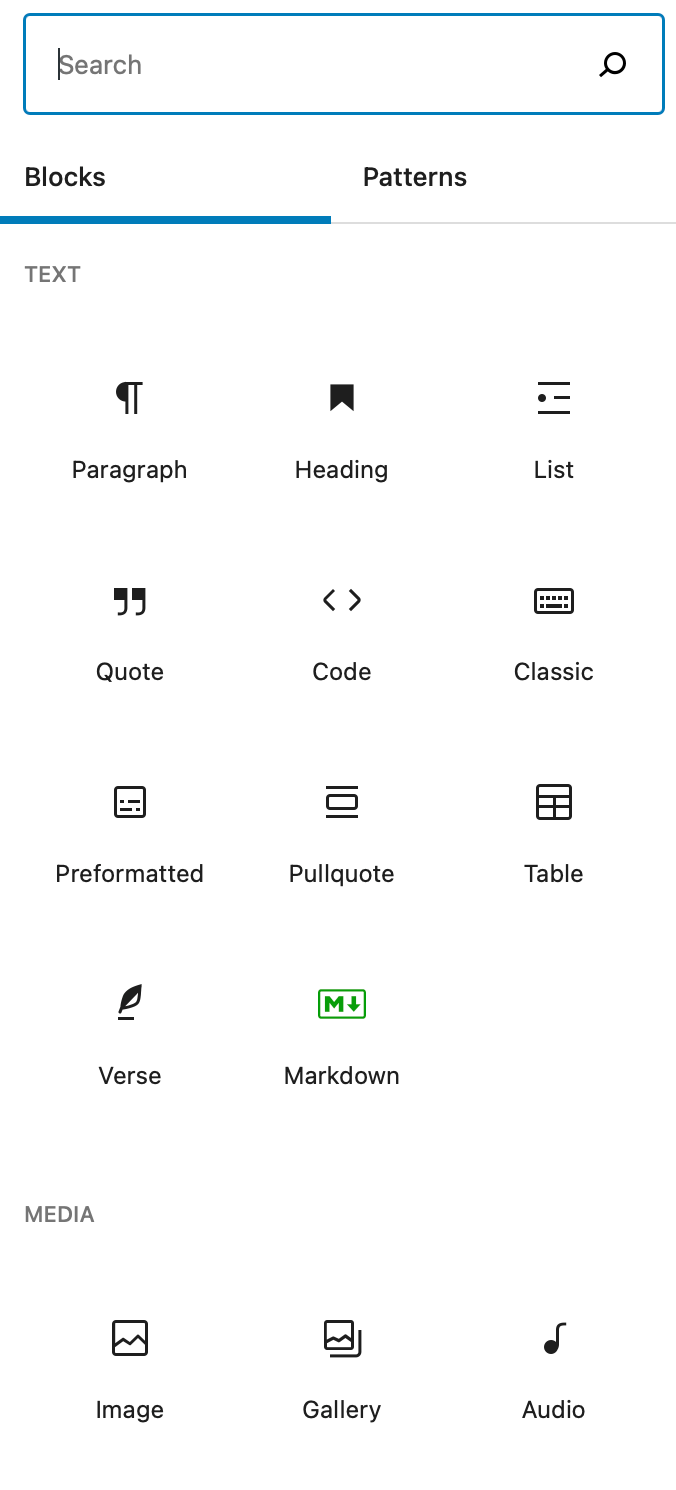
Have you ever noticed how most modern writing tools—blogging platforms, note‑taking apps, content management systems—rely on a similar “block” interface? You click a plus button or type a slash, and a list of block types appears: paragraphs, images, videos, Kanban boards, calendars. This approach is intuitive and popular, but there’s a catch: each platform builds its blocks from scratch, making them incompatible with others. That’s where the Block Protocol comes in—a free, open standard designed to make blocks interchangeable across the entire web. In this Q&A, we’ll explore the problem, the solution, and how you can get involved.
What’s the current state of blocks in web editors?
Most web editors today—from WordPress to Notion to Medium—use a block‑based interface. You start with an empty canvas and add content by inserting blocks: paragraphs, lists, images, videos, tables, diagrams, and even complex widgets like calendars or order forms. This design makes content creation modular and intuitive. However, every platform implements its own proprietary block system. While the / key has become a de facto shortcut to insert blocks, everything else—how blocks are built, stored, and displayed—is completely platform‑specific. That means a calendar block you love in one app can’t be used in another. Developers must code each block type from scratch, leading to duplication of effort and inconsistent user experiences across the web.
Why aren’t blocks interchangeable between different platforms?
The root cause is the lack of a common standard. Each app defines its own block architecture, data format, and rendering logic. For example, a Kanban board in Notion is built using Notion’s internal APIs, while a similar board in Trello or WordPress uses completely different code. There is no shared protocol for describing how a block should be embedded, how it communicates with the host, or how structured data flows between them. As a result, a block created for one editor cannot be dropped into another without significant rework. This fragmentation forces developers to reinvent the wheel for every platform, and users are locked into the block library provided by their chosen tool.
How does this non‑standardization affect end‑users and developers?
For end‑users, the limitations are frustrating. If you use a blogging engine that only offers basic blocks, you can’t insert the fancy interactive calendar or video gallery you saw in another platform. Your content is restricted to whatever blocks the developer had time to implement. Blocks can’t be easily shared or moved between apps, so you might have to recreate complex content from scratch when switching tools. For developers, the cost is high. Every app must build its own block library, often redoing the same work (e.g., video embeds, image galleries) that competitors already offer. This duplicative effort slows innovation and reduces the variety of high‑quality blocks available to users. The result: a web of silos where great block ideas remain trapped inside single applications.
What is the Block Protocol and how does it work?
The Block Protocol is an open, free, non‑proprietary standard that defines how embedding applications (like a blog editor or note‑taking app) can host blocks created by third parties. It’s essentially a contract: any block that follows the protocol can be used in any application that also follows it. The protocol handles communication between the host and the block—for example, how the block receives data, how it signals user interactions, and how it adapts to the host’s layout. By implementing the protocol once, an editor instantly becomes compatible with every block built to the standard. Blocks become interchangeable and reusable, just like HTML elements. The project is 100% open source, and sample code for both hosts and blocks is freely available.
What types of content can become blocks under this protocol?
Almost anything that makes sense in a document or on the web can be a block. Traditional document elements: paragraphs, lists, tables, diagrams. Web‑native content: order forms, calendars, videos, embedded maps. More complex widgets: Kanban boards, interactive charts, project timelines, social media feeds. Blocks can also handle structured or typed data—for instance, a contact form that sends structured data to a backend, or a chart that visualizes a dataset. The protocol is flexible enough to accommodate simple text blocks as well as rich interactive components. The goal is to create a universal library where developers can build a block once and have it work in any editor that supports the protocol, from a simple note‑taking app to a full‑featured CMS.

How can app developers and block creators benefit from the Block Protocol?
For app developers (editors, CMSs, note‑taking tools), adopting the Block Protocol means you can instantly provide your users access to a vast, growing library of high‑quality blocks without writing a single block yourself. You write the embedding code once, and any block that follows the protocol slots in seamlessly. This drastically reduces development time and lets you focus on your core app features. For block creators, the benefit is clear: build a block once and have it available in every protocol‑compliant editor. You reach a massive audience with a single implementation. Both sides gain from a thriving open‑source community that continuously adds and improves blocks. Since the protocol is free and open, there are no licensing fees or vendor lock‑in.
What is the current status of the Block Protocol?
The Block Protocol is in its early stages. A very early draft of the specification has been released publicly. The team has started building simple example blocks and a basic editor that can host them, demonstrating how the protocol works in practice. The project is actively seeking community involvement—developers, designers, writers, and users are all invited to contribute. The long‑term vision is to foster an open‑source community that creates a comprehensive library of blocks, covering everything from basic text to advanced interactive widgets. The protocol is not yet widely adopted, but the initial feedback has been positive, and the team is iterating quickly based on input from early testers. It’s a great time to get involved and help shape the future of web content.
How can someone get involved or use the Block Protocol?
If you work on any kind of editor—blogging tool, note‑taking app, CMS, or even a custom web page—you can start by reading the early draft of the Block Protocol specification. Integrate the protocol into your application by implementing the embedding code. You can also contribute by building new blocks: the protocol is designed to be straightforward for developers familiar with HTML, CSS, and JavaScript. Check out the project’s website for sample code and documentation. Join the community discussions on forums or GitHub to share feedback, report issues, or propose improvements. The protocol is completely free and open source, so anyone can use, modify, and redistribute it. Whether you’re a developer, designer, or just an enthusiastic user, your input can help make blocks truly universal across the web.