Tesla Semi Enters Volume Production: First Truck Completed at Gigafactory Nevada
Introduction
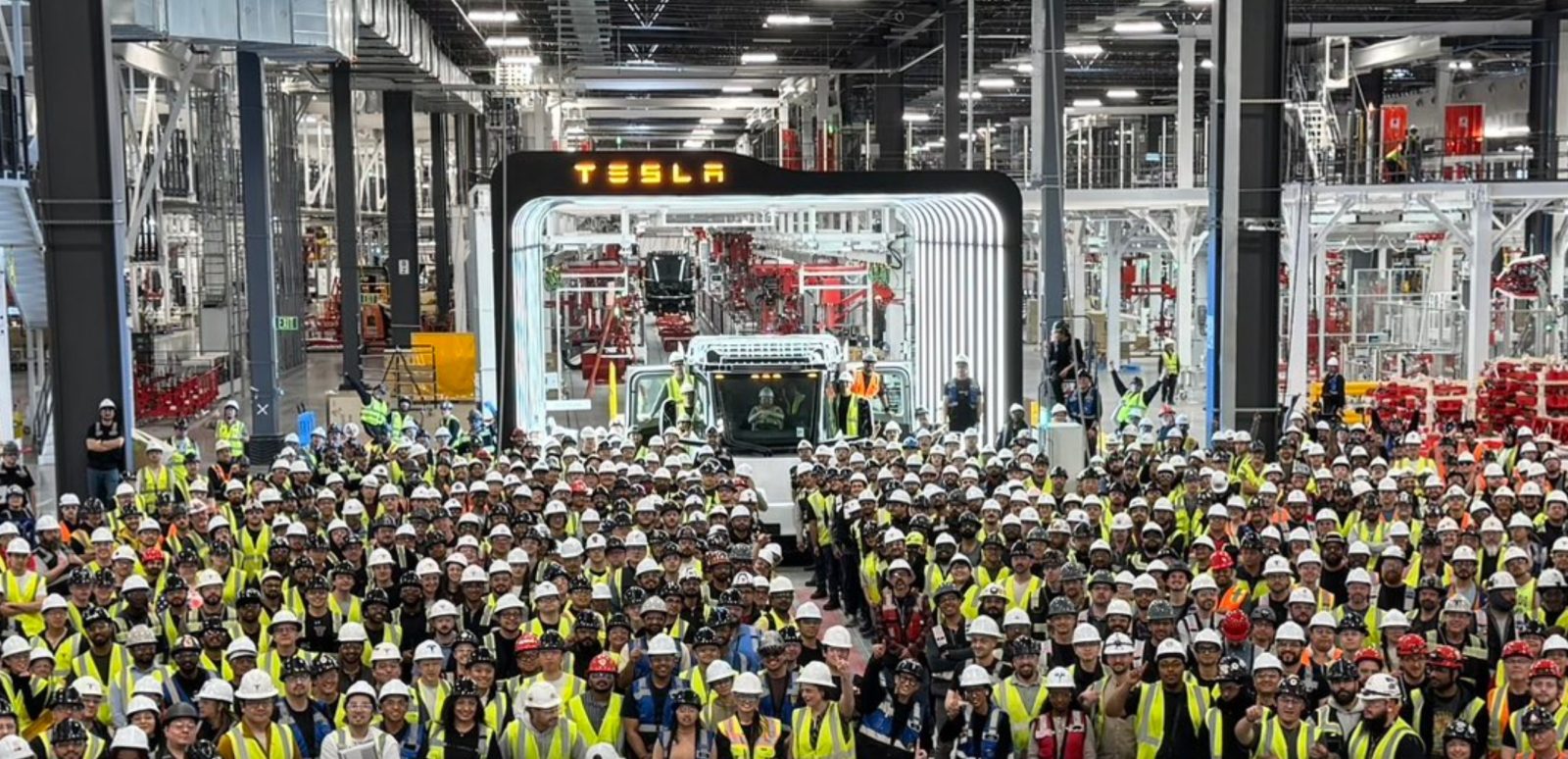
Tesla has officially achieved a long-awaited milestone in its electric truck program. The first Tesla Semi has rolled off the company's new high-volume production line at Gigafactory Nevada, marking the transition from low-volume pilot builds to mass manufacturing. This development signals a new chapter for the electric heavy-duty truck market, as Tesla aims to scale its commercial vehicle operations.
Background: The Journey to Volume Production
Originally unveiled in 2017, the Tesla Semi has faced numerous delays, shifting from an anticipated 2019 release to multiple postponements. Early production began in 2022 at a low-volume facility, but the company has now dedicated a massive 1.7-million-square-foot expansion within Gigafactory Nevada solely for Semi manufacturing. This new production line is designed to support high-volume output, a critical step for fulfilling existing orders from major fleets like PepsiCo and Walmart.
Gigafactory Nevada Expansion
The dedicated Semi production area occupies a significant portion of the sprawling Nevada facility. Tesla shared an image of the first completed truck on its official Tesla Semi account on X (formerly Twitter), confirming that volume production is now underway. The factory's scale allows for efficient assembly of the Semi's unique components, including its large battery pack and aerodynamic cab.
Specifications and Capabilities
The Tesla Semi promises a range of up to 500 miles on a single charge, even when fully loaded to 80,000 pounds gross vehicle weight. It features four independent motors—one per drive wheel—providing exceptional traction and safety. The truck also boasts regenerative braking that recaptures energy during deceleration, extending range and reducing brake wear. Tesla claims the Semi can accelerate from 0 to 60 mph in 20 seconds with a full load, significantly faster than conventional diesel trucks.
Mega Charging Infrastructure
To support the Semi, Tesla has developed the 'Megacharger,' a high-power charging station capable of adding 70% of range in just 30 minutes. These chargers are being installed at key logistics hubs along major freight routes, enabling long-haul operations. The company also offers a solar-powered Megacharger system for fleet depots, aligning with its sustainable energy mission.

Impact on Trucking Industry
The start of high-volume production is expected to accelerate the adoption of electric trucks. Traditional trucking faces pressures from rising fuel costs and tightening emissions regulations. The Tesla Semi offers a lower total cost of ownership, thanks to reduced fuel and maintenance expenses. Fleet operators have already placed substantial pre-orders, indicating strong market demand.
Environmental Benefits
Each Tesla Semi that replaces a diesel truck can eliminate up to 100 tons of CO2 emissions annually, based on average mileage. Widespread adoption could significantly reduce the transportation sector's carbon footprint, which accounts for a sizable portion of global greenhouse gas emissions.
Future Outlook and Production Ramp
Tesla plans to ramp production gradually over the coming months, aiming for several thousand units per year by 2025. The company has hinted at a potential 'Semi 2.0' with advanced autonomous driving features, but no official timeline has been announced. With production now in full swing, the Tesla Semi is poised to disrupt the heavy-duty truck market and prove that electric long-haul transportation is viable at scale.
For more details, read our previous coverage on Tesla Semi's development timeline and specifications.