7 Ways Space Debris Is Sabotaging Satellite Science and Costing Us Data
Space debris is no longer a distant concern — it's a daily reality for satellite operators. As the cloud of defunct satellites, rocket fragments, and collision shards grows, operational spacecraft are performing avoidance maneuvers more frequently than ever. These evasive actions come at a steep price: lost fuel, shortened mission lifespans, and, critically, gaps in valuable scientific data. Researchers warn that things will worsen before they improve, with the current trend threatening both current missions and future exploration. Below are seven key impacts of this rising hazard on satellite science and what we can expect ahead.
1. The Alarming Growth of Orbital Debris
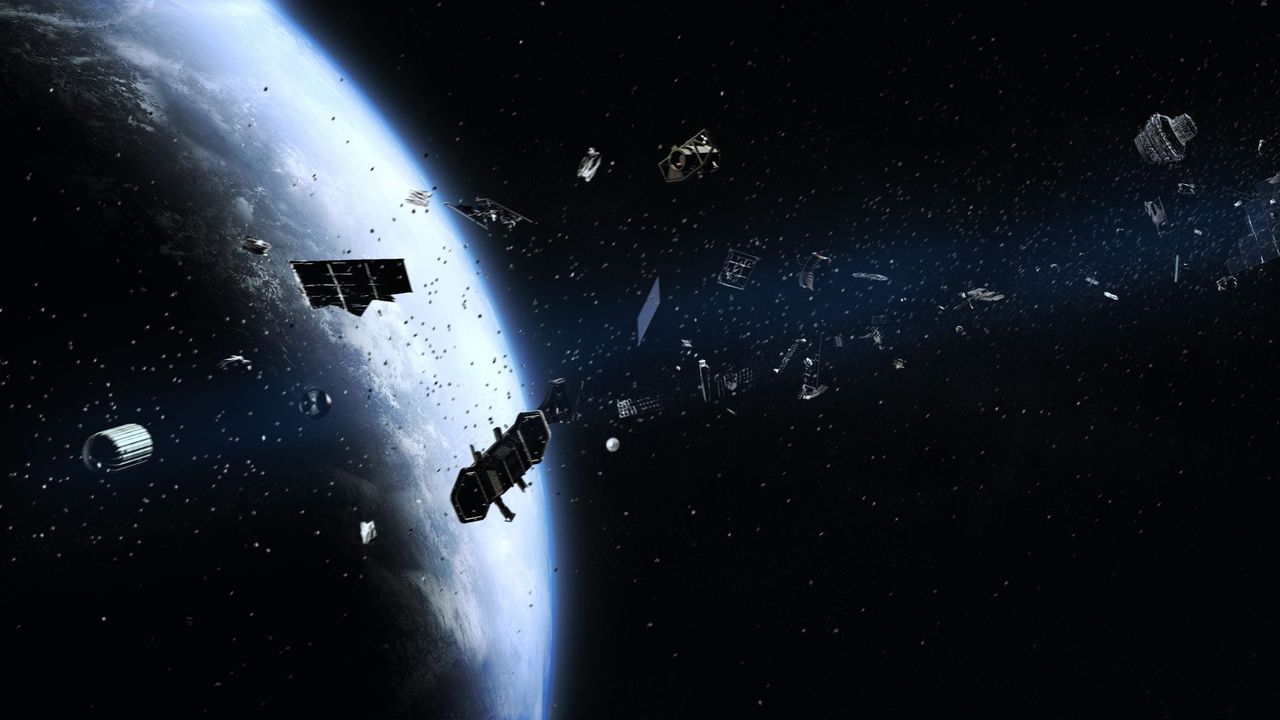
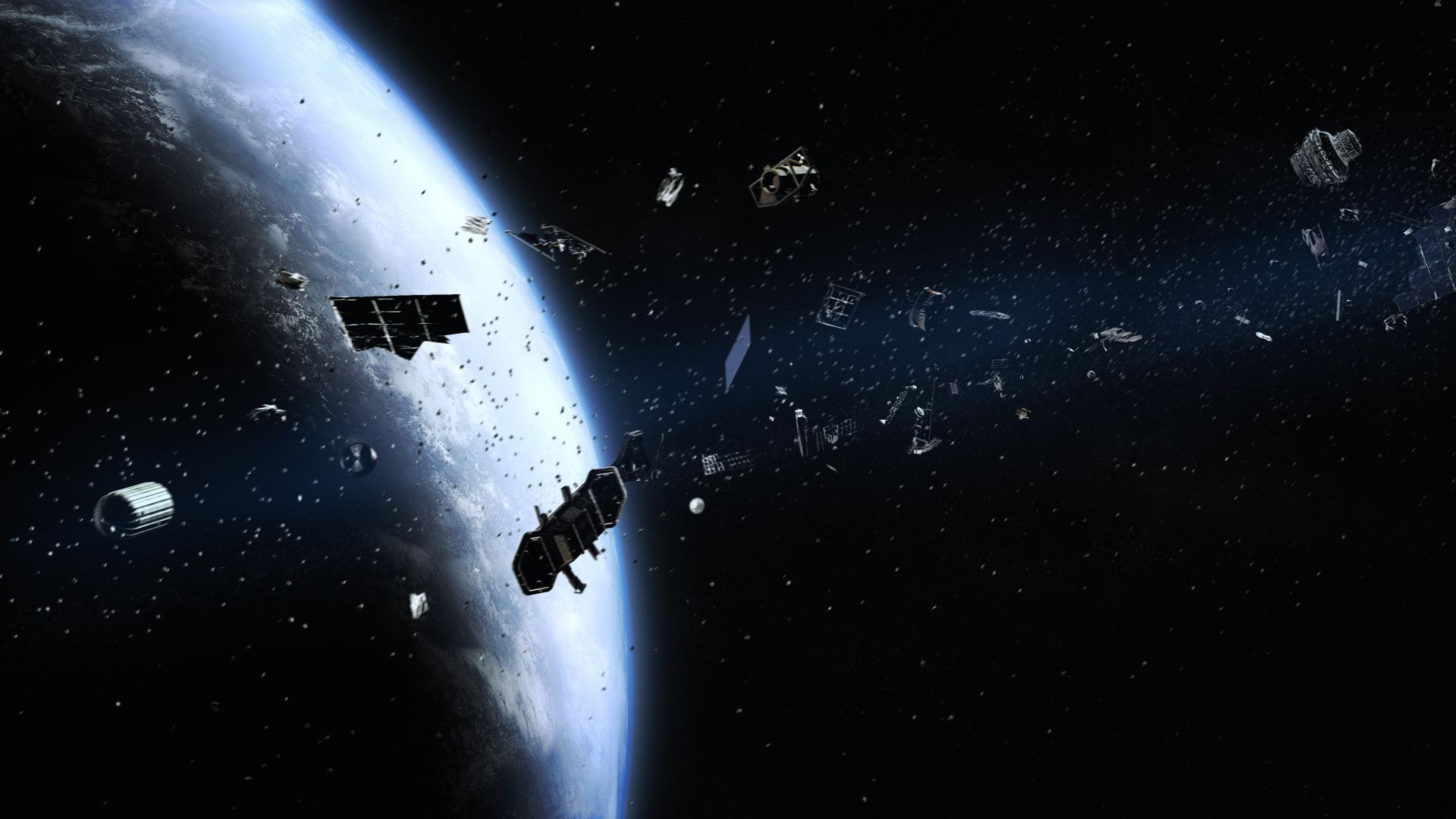
Today, over 25,000 pieces of debris larger than 10 cm are tracked in low Earth orbit, with millions of smaller fragments too tiny to monitor. This population has surged due to past collisions, anti-satellite tests, and the proliferation of mega-constellations. Each new launch adds to the risk, making the orbital environment increasingly crowded. For satellites, this means a higher probability of encountering fast-moving junk that can cause catastrophic damage. The debris field acts like a slow-motion minefield, forcing operators to constantly assess collision threats.
2. Collision Avoidance Maneuvers Are Soaring
Satellites now perform avoidance maneuvers at unprecedented rates. For example, the European Space Agency's Sentinel-1 mission executed over 200 such maneuvers between 2014 and 2023. These moves require precise timing and can interrupt regular operations. Each maneuver consumes propellant and temporarily halts primary data collection, leading to lost observation opportunities. As the debris count climbs, so does the frequency of these costly interruptions.
3. Lost Scientific Data from Evasive Actions
When a satellite dodges debris, it must often adjust its orbit or point its instruments away from its target. For Earth-observing satellites, this can mean missing a critical pass over a natural disaster or a fleeting atmospheric event. For astronomical observatories like Hubble's successors, even a slight pointing change can disrupt long-exposure images. These gaps in data reduce the continuity of long-term climate records and delay scientific discoveries.
4. Fuel Depletion Shortens Mission Lifespans
Every avoidance burn uses precious fuel that was meant for station-keeping or end-of-life deorbiting. With more maneuvers required, satellites are running out of propellant years earlier than planned. This forces operators to either abandon the spacecraft or switch to less efficient modes. The result is a shorter science-gathering period and earlier retirement of valuable instruments, often before their full potential is realized.
5. Rising Costs for Satellite Operators and Insurers
The financial burden of space debris is enormous. Operators must invest in advanced tracking, additional fuel reserves, and automated collision avoidance systems. Insurance premiums for satellites have spiked, and some missions now carry special clauses for debris-related risks. For smaller scientific missions, these costs can be prohibitive, limiting the scope of research that can be conducted from orbit.
6. Threats to Future Missions Like Space Telescopes and Stations
Planned large observatories, such as the next-generation space telescopes, will operate in orbits where debris is densest. They will require regular avoidance maneuvers, adding complexity and risk. The International Space Station already performs occasional dodges, and future commercial stations will face similar challenges. If unchecked, debris could make certain orbits unusable for science altogether.
7. Mitigation Efforts and the Likely Worsening Trend
International guidelines recommend deorbiting satellites within 25 years, but compliance is voluntary. The U.S. and EU are pushing for stricter regulations, but debris removal technologies remain experimental. Meanwhile, the number of satellites continues to grow faster than cleanup efforts. Researchers caution that without immediate action, the frequency of collisions will increase, leading to a cascade effect known as the Kessler Syndrome. The situation will likely get worse before any meaningful improvement is seen.
Conclusion: Space debris is not just a technical nuisance — it is a direct threat to the scientific output of satellite missions. From lost data to shortened lifespans, the impacts are already measurable. As the orbital environment becomes more congested, the need for proactive debris mitigation and international cooperation becomes urgent. The future of space science depends on our ability to keep the orbital highways safe for the instruments that unlock the secrets of our planet and universe.