10 Ways AI Data Centers Are Reshaping Texas Housing Construction
Texas is in the midst of an unprecedented building boom—but not all construction is created equal. While the state races to erect massive AI data centers to power the next generation of technology, homebuilders are feeling the pinch. The soaring demand for skilled electricians, driven by data center projects offering significantly higher wages, is causing delays of up to two months for housing projects. In this listicle, we break down the ten key dynamics behind this growing tension between tech infrastructure and residential development.
1. The Root Cause: AI Data Centers' Insatiable Demand for Electricity
AI data centers consume enormous amounts of power—far more than traditional data centers. Each facility can require the electrical capacity of a small town. To meet this hunger, builders need specialized electricians who can install high-voltage systems, backup generators, and intricate cooling networks. As companies like Google, Microsoft, and Amazon rush to establish computing hubs in Texas, the competition for skilled electrical workers has skyrocketed. This isn't just a temporary spike; it's a structural shift in the labor market that is pulling electricians away from residential construction sites.
2. Skyrocketing Salaries: How Data Centers Outbid Housing Projects
The most direct impact is on wages. Data center contractors are paying electricians up to 75% more than typical residential projects, along with better benefits like health insurance, overtime, and travel allowances. A master electrician who might earn $30 per hour on a housing project can command $50–$60 per hour on a data center job. This premium makes it nearly impossible for homebuilders to compete, forcing them to either raise their own wages (cutting into thin margins) or accept delays as they struggle to staff basic wiring tasks.
3. The Ripple Effect: Delays in Home Construction Across Texas
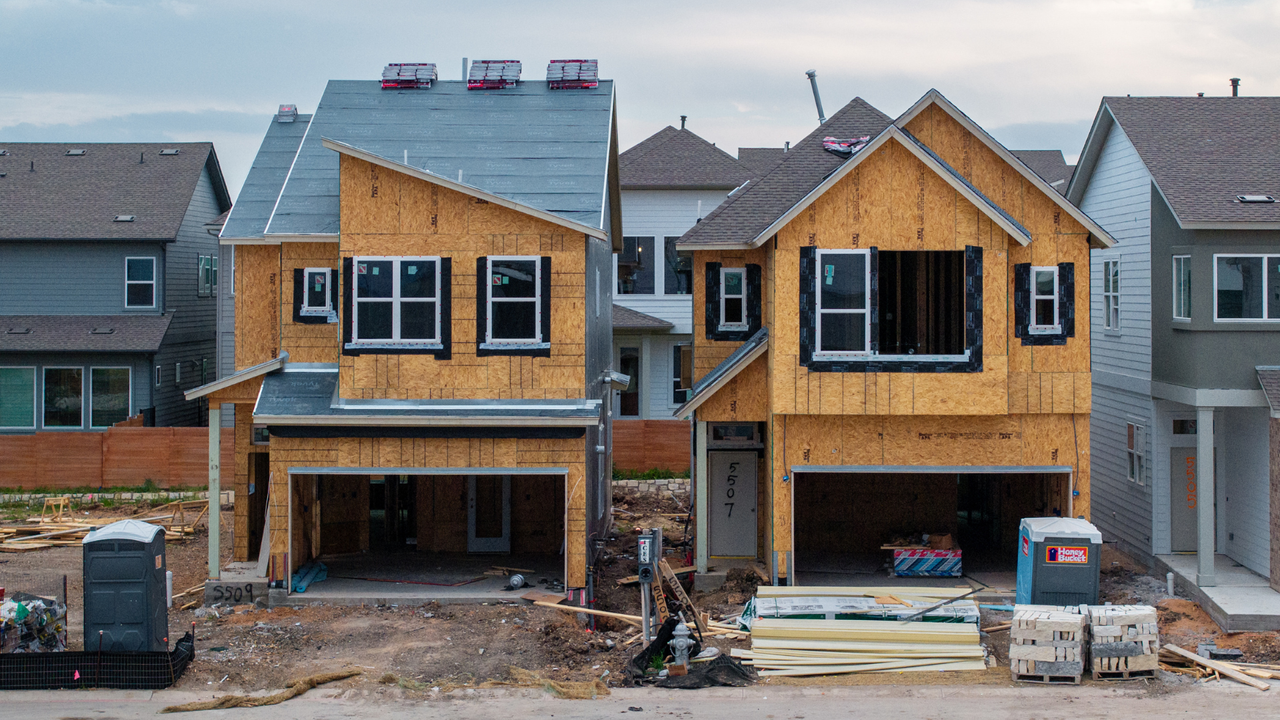
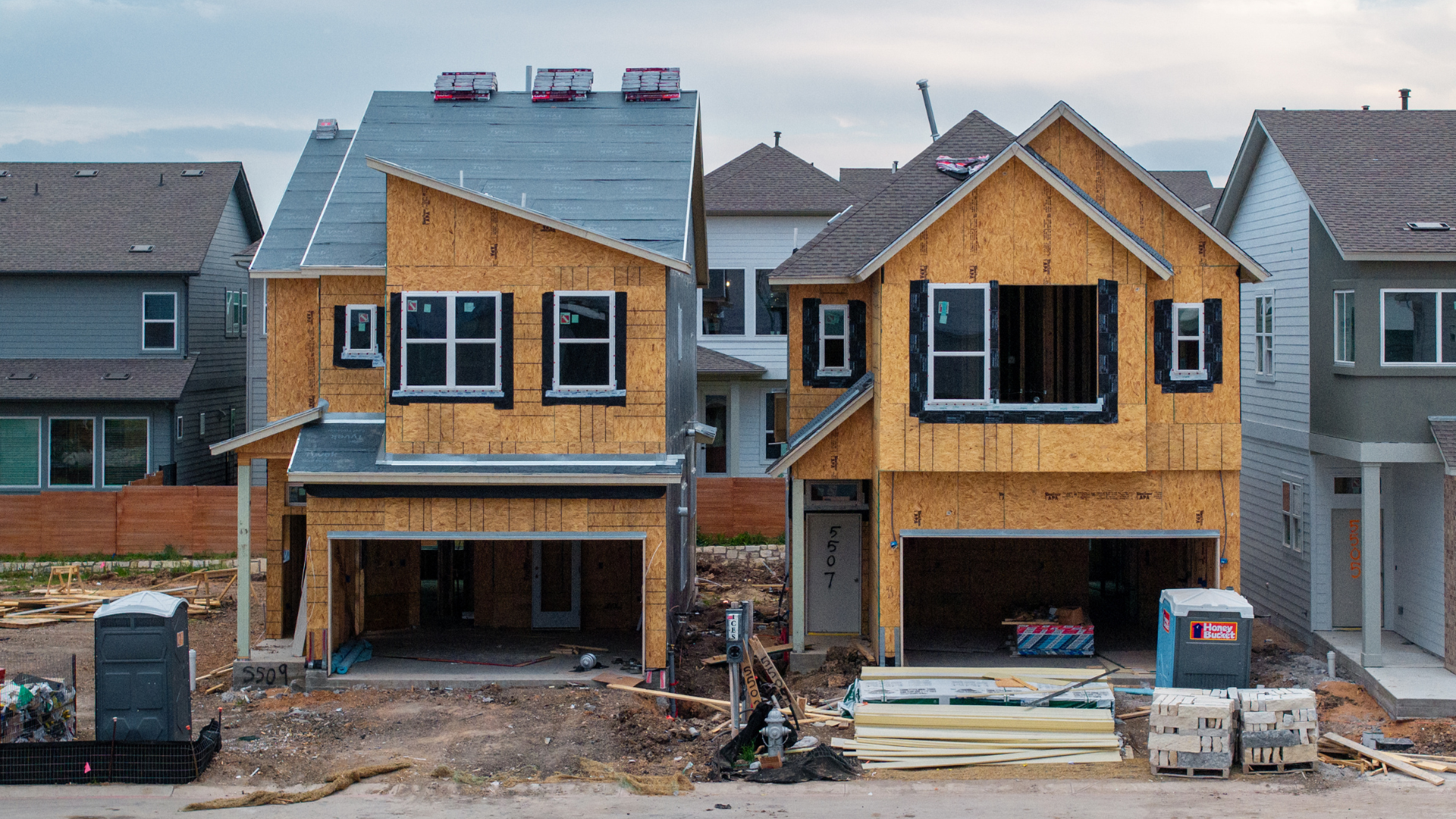
From Austin to Dallas to Houston, home construction timelines are stretching. Where a typical new home might have been wired and finished in six months, builders now report two-month delays specifically tied to electrical labor shortages. These delays ripple through the entire project, pushing back inspections, drywall, painting, and final move-in dates. For a market already grappling with low inventory and rising interest rates, even a two-month postponement can cause domino effects on supply chains and buyer financing.
4. Electrician Shortage: A National Problem Amplified in Texas
The nationwide shortage of electricians—exacerbated by retirements and a lack of new apprentices—is hitting Texas hard because the state is a prime destination for both data centers and new residents. According to industry estimates, Texas needs thousands more electricians to meet current demand. The problem is compounded by the fact that many electricians prefer steady, high-paying industrial work over the variability of residential construction. As data centers multiply, the gap between supply and demand widens.
5. Comparing Projects: Data Center vs. Residential Build Timelines
A data center build-out can take 18–24 months and requires a concentrated workforce of dozens of electricians at a time. In contrast, a single home might need just one or two electricians for a few weeks. The economics are clear: a contractor can keep a crew fully employed on a data center for months, whereas residential work often involves gaps between projects. This stability, combined with higher pay, is a powerful draw for electricians, making it harder for homebuilders to retain skilled labor even when they offer competitive hourly rates.
6. The Cost of Delay: Financial Impact on Homebuyers and Builders
Delays aren't just an inconvenience; they carry real costs. Homebuilders face penalty clauses for late delivery, increased carrying costs for land and materials, and the risk of losing buyers who can't wait. For homebuyers, delays mean extended rent payments, mortgage rate lock expirations, and potential price increases if the market shifts. Some builders have started to factor in a “data center premium” on new homes to cover higher electrical subcontractor charges, further pushing up housing costs in a state already seeing double-digit price growth.
7. Temporary Solutions: Contractors Adapt to Labor Market Strains
To cope, some homebuilders are getting creative. They are offering signing bonuses, referral incentives, and profit-sharing to electricians. Others are streamlining their electrical designs to make installation faster and less labor-intensive, using prefabricated wiring harnesses or simpler panel layouts. A few larger builders have started their own in-house electrical crews to bypass subcontractors altogether. However, these adaptations come with their own costs and complexity, and they don't solve the underlying shortage.
8. Long-Term Fixes: Training Programs and Policy Changes
State and local officials are beginning to address the shortage. Programs that fast-track electrician apprenticeships, partnerships between high schools and trade unions, and tax incentives for companies that train new workers are being explored. Some Texas cities are considering zoning that separates data centers from residential areas to reduce direct competition for labor, though that remains controversial. The most effective solution may require a multi-year effort to increase the pipeline of electricians entering the trade.
9. Regional Variations: Which Texas Cities Hit Hardest
The impact isn't uniform. Austin – already a tech hub – is feeling the greatest pressure, with some subdivisions seeing delays exceeding three months. Dallas-Fort Worth, with its large and diversified construction market, has been more resilient but still sees 4–6 week delays. Houston's energy sector has long competed for electricians, so the data center boom is layering on top of existing shortages. Smaller markets like San Antonio and El Paso have so far been less affected but may soon feel the ripples as data center sites proliferate.
10. What This Means for the Future of Housing in Texas
If the trend continues, Texas could see a structural slowdown in housing starts even as population growth remains strong. Home prices may rise faster due to higher labor costs. The competition between AI infrastructure and housing is likely to intensify, forcing policymakers to make hard choices. Without a concerted effort to expand the electrician workforce, the dream of affordable homeownership in Texas may become even more elusive. The data center revolution is here—but its hidden cost is being paid on the framing of new homes across the state.
The collision between AI's energy appetite and Texas's housing needs is a cautionary tale about unintended consequences in a booming economy. For homebuilders, homebuyers, and policymakers alike, understanding these ten factors is the first step toward finding solutions that keep both the lights on and the roofs over heads.