Tesla Semi in Action: MDB Transportation's Port Pilot Program
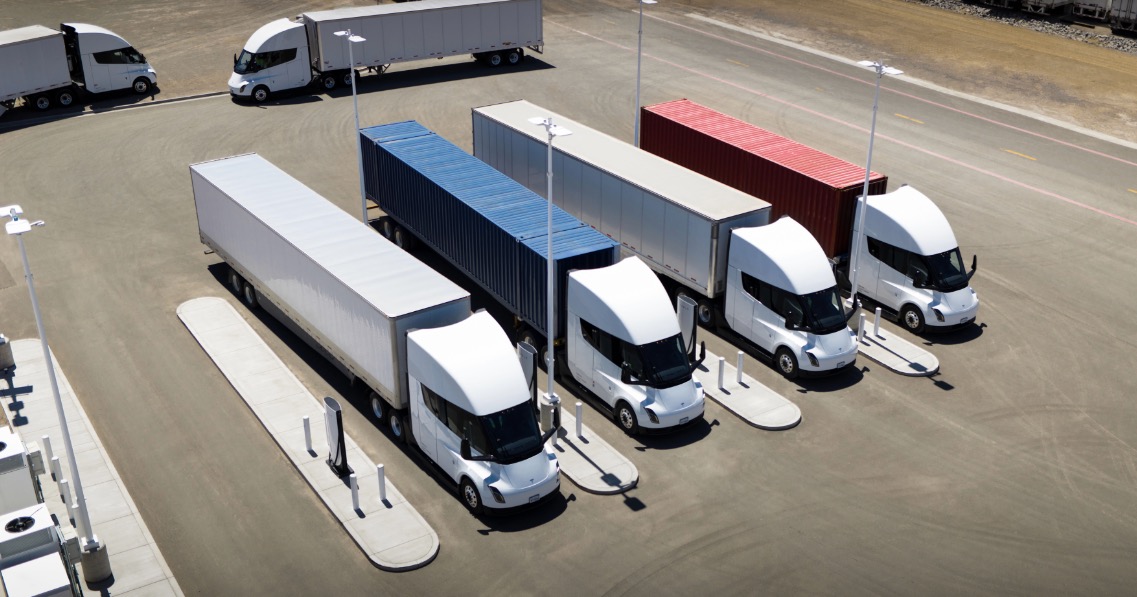
Southern California drayage specialist MDB Transportation has started a three-week pilot program using the Tesla Semi for active port freight operations. This makes MDB the second port trucking company to deploy the electric Class 8 truck for container hauling. The trial is being conducted in one of the most demanding urban freight environments in the United States, with the company closely monitoring energy efficiency, cycle times, and driver feedback throughout the deployment. Below, we answer key questions about this innovative pilot.
What is the Tesla Semi pilot program by MDB Transportation?
MDB Transportation, a Compton-based drayage operator, has initiated a three-week pilot to test the Tesla Semi on actual port freight routes in Southern California. This trial involves using the electric Class 8 truck to haul shipping containers in and around the ports of Los Angeles and Long Beach. The company is evaluating the vehicle's performance under real-world conditions, including its energy efficiency, ability to complete trips within standard cycle times, and the overall driver experience. This pilot marks a significant step for MDB as it explores sustainable solutions for heavy-duty trucking in one of the busiest port complexes in the world.
Why is this pilot considered significant for the trucking industry?
This pilot is noteworthy because it places the Tesla Semi in one of the most challenging freight environments: the Southern California port system. These ports handle a massive volume of container traffic daily, and the drayage operations involve frequent stops, heavy loads, and tight schedules. By testing the Tesla Semi here, MDB is demonstrating the potential of electric trucks to replace diesel-powered Class 8 vehicles in short-haul port operations. Success could encourage other fleets to adopt electric trucks, reducing emissions in port communities. Additionally, MDB is the second port trucking company to run such a trial, signaling growing interest in zero-emission solutions among drayage operators.
What specific metrics is MDB tracking during the three-week trial?
Throughout the three-week pilot, MDB Transportation is actively tracking several key performance indicators. These include energy efficiency (measured in kWh per mile or per container moved), cycle time (the total time from pickup to delivery, including waiting and driving), and driver experience (gathered through surveys and feedback). The company is also noting any operational challenges, such as charging logistics or payload limitations. By analyzing this data, MDB aims to determine if the Tesla Semi can maintain comparable productivity to diesel trucks while offering lower fuel costs and environmental benefits. The results will help assess the viability of electric trucks for regular drayage routes.
How does MDB's pilot compare to other Tesla Semi port trials?
MDB Transportation is the second drayage operator to test the Tesla Semi at a U.S. port. The first was a similar trial conducted by another company earlier this year. While details of that initial pilot were limited, MDB's program appears to be more comprehensive, with a specific focus on urban port routes and detailed metrics. Both trials aim to validate the truck's range, durability, and charging efficiency under heavy loads. MDB's pilot is particularly interesting because it takes place in the congested Los Angeles and Long Beach port area, where air quality concerns are high and regulatory pressure to reduce emissions is strong. If successful, MDB's results could accelerate adoption among other fleets.

What challenges might MDB face with the Tesla Semi in port operations?
Operating an electric Class 8 truck in port drayage presents several challenges. First, the range limitations of current battery technology may require careful route planning to avoid running out of charge during a shift. Second, charging infrastructure at ports is still limited, meaning MDB must rely on depot charging or public fast-chargers, which could cause delays. Third, the weight of the battery reduces the payload capacity compared to a diesel truck, potentially affecting container weight limits. Additionally, the cycle time may be impacted if charging is needed mid-route. Finally, driver acceptance and training are crucial, as the Tesla Semi's regenerative braking and single-pedal driving require adjustment. MDB is collecting data on these factors to address them.
What are the broader implications for the freight industry if this pilot succeeds?
A successful pilot by MDB could have wide-reaching effects on the freight and drayage sectors. It would provide concrete evidence that electric trucks can handle the demanding stop-and-go conditions of port operations while maintaining efficiency. This could encourage other fleets to invest in electric Class 8 trucks, leading to a reduction in diesel emissions in port-adjacent communities. It might also spur investment in charging infrastructure at ports and along major freight corridors. Furthermore, the data shared by MDB could help manufacturers like Tesla refine their vehicles for real-world conditions. Ultimately, if the pilot proves economically viable, it could accelerate the transition to zero-emission trucking nationwide.